Interested in learning Arabic with us? Click here
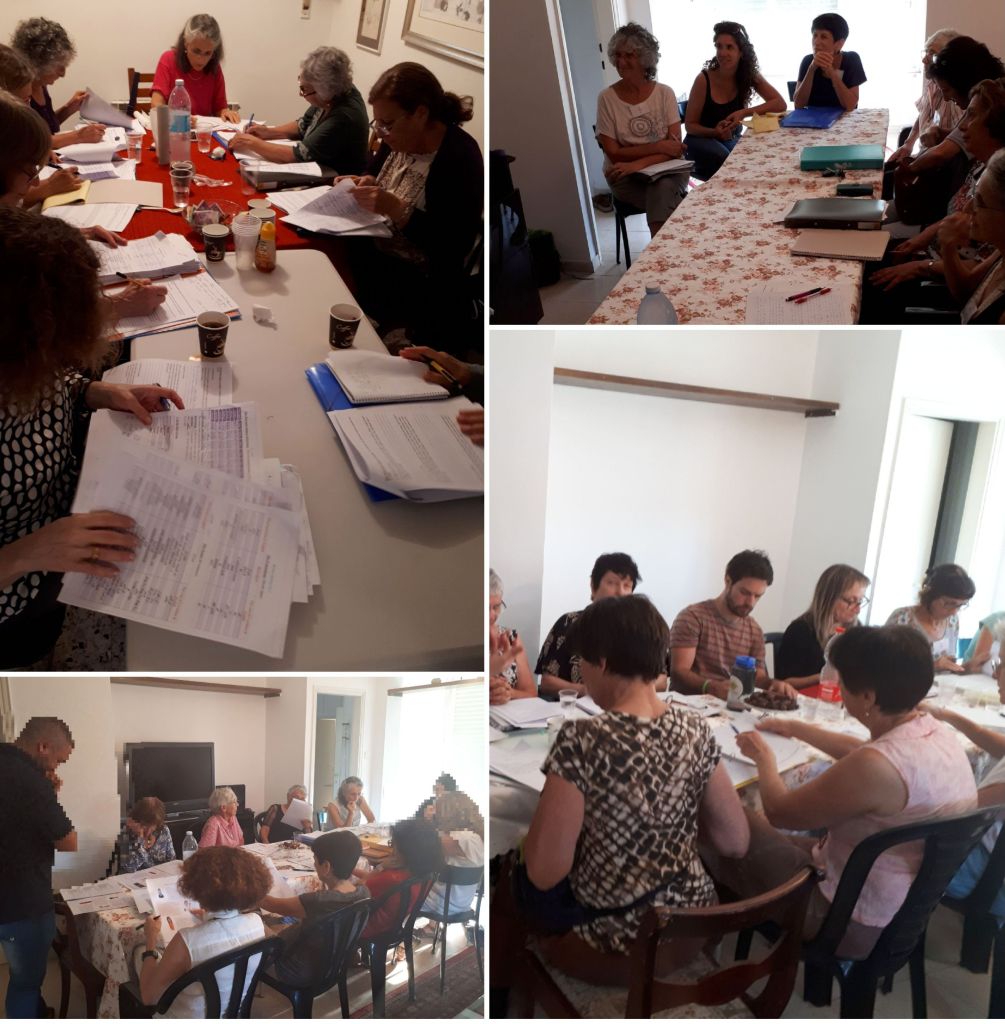
In 2017 we started planning a curriculum for spoken Arabic lessons. Later on we organized and conducted a series of weekly lessons for groups of Jewish and non-Jewish participants in Jerusalem. The lessons are taught by a native Arabic speaker, with a particular emphasis on the local spoken Palestinian dialect in order to enable the students to be able to communicate with Israeli Arabs and Palestinians in their mother tongue.
“Having never studied Arabic before, I was very excited to realize that after only a few lessons I could start communicating and greeting people, to their surprise, by using the right words and in the correct manner.”
Student, Nomi Regev
The courses boast a number of groups, all of whom began at beginner’s level. However, in a testament to the students’ determination and the teacher’s persistence and dedication, many of our group classes have progressed well beyond the basics.
Having begun with little, if any, Arabic background two or three years’ earlier, many of our students are now able to hold full conversations in Arabic as well as read and write. While the principal focus of the lessons has been on the Arabic language itself, our teacher also imparts culture to his students, often by introducing them to Arabic expressions or proverbs and dissecting their meaning.
Tackling the challenges of the pandemic head on, we reorganized the format of our lessons and moved from the physical classroom in Jerusalem to the online classroom, with our teacher patiently still at the helm, delivering his lessons as before.
“The classes are extremely well structured and one feels that the teacher has spent much time in preparing for each session. He understands the areas which are going to prove difficult and has great patience in the reinforcing the learning in such situations.“
Student, Stanley Dalnekoff
Our hope is that more Jews and Israelis will familiarize themselves with and gain a greater appreciation for Arabic, as a language and culture. Through the intellectual pursuit of studying a new language, our students are encouraged to break down barriers and converse directly with Israel’s largest ethnic minority group, laying the groundwork for greater understanding between both sides.
Want to read reviews and feedback offered by our students? Click here
Interested in learning Arabic with us? Click here
For more information about our other activities see here
 The Connecting Hamza / המזת החיבור