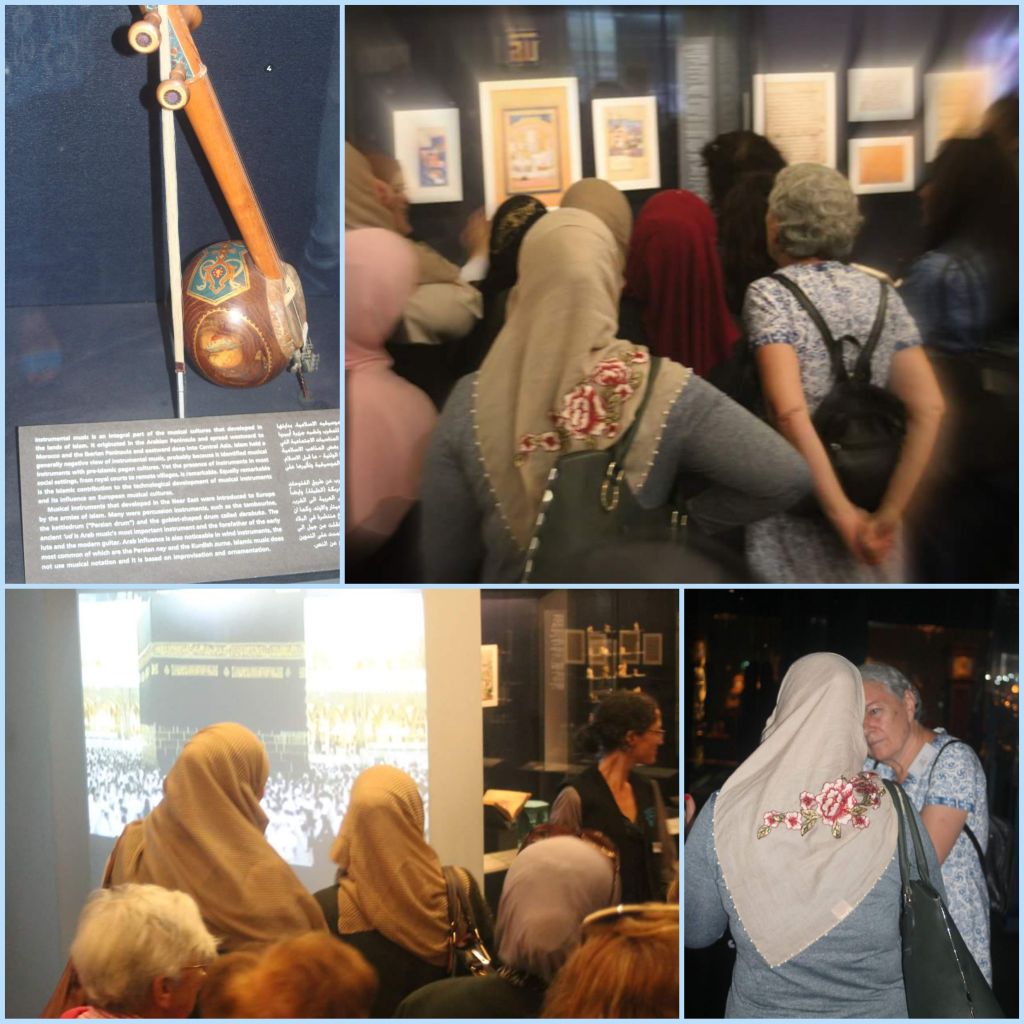
Ranking high among our more cultural activities was a visit to the Museum of Islamic Art. Situated in Jerusalem’s Katamon neighborhood, this museum not only boasts an array of exhibitions attesting to the Islamic and Arab contributions to our region, but also provided an ideal setting for our participants – Jewish and Palestinian women – to meet. While the Jewish participants had the opportunity to admire Arabic and Islamic art and learn about the significant Arabic and Islamic contributions to the region in which they live, their Palestinian counterparts could see for themselves the respect that Israel has for their culture and traditions.
“As a body that embraces the values of peace, freedom, equality and respect for others, the museum seeks to play an active role in changing the social and cultural discourse, and hence public attitudes in Israel”, so says the museum website.
Starting the day with a two-hour tour, both in Hebrew and Arabic, our participants perused the various exhibitions, during which the ice was broken between the Jewish and Palestinian participants. We then transitioned into what was supposed to be a brief lunch break before our organized language workshop, but instead became a language session in and of itself as our participants took the initiative to begin introducing themselves one another.
During the planned workshop, which would last some two hours, the Jewish participants were handed worksheets which included guidelines on how to introduces themselves in Arabic, as well as model questions which appealed to their basic knowledge of the language, gained during Arabic lessons. The Palestinian participants proved more than willing to help their Jewish peers complete the language tasks we had given them, and that the Jewish women were capable of exchanging information in Arabic as instructed. It was with great satisfaction that we noted the positive and friendly dynamic between the groups.
Our final activity of the day centered around a musical performance by two Israeli Jewish musicians – one singer, and one guitar and oud player – in which our Jewish and Palestinian participants sung along and danced together to the Arabic, Spanish and Israeli songs. It was incredibly moving to see the simplest of things – two peoples simply having fun, together – in a city too often characterized by interreligious and intercommunal tensions.
At the end of the day, we received positive and encouraging feedback from all the participants, who noted that they felt comfortable and safe, and enjoyed the educational activities, expressing an eagerness to take part in more activities in the future.
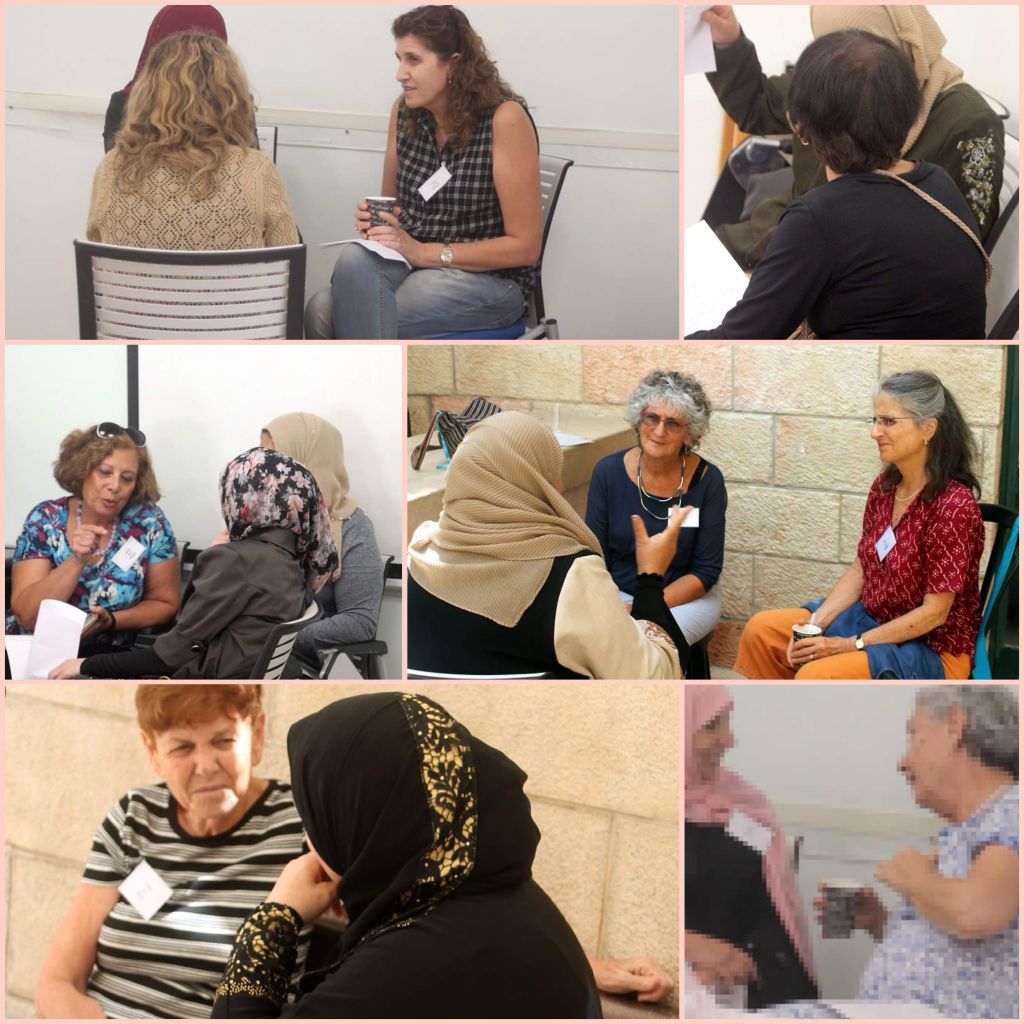
“During the planned workshop, which would last some two hours, the Palestinian participants proved more than willing to help their Jewish peers complete the language tasks we had given them, and despite their basic Arabic level, the Jewish women were capable of exchanging information in Arabic as instructed.”
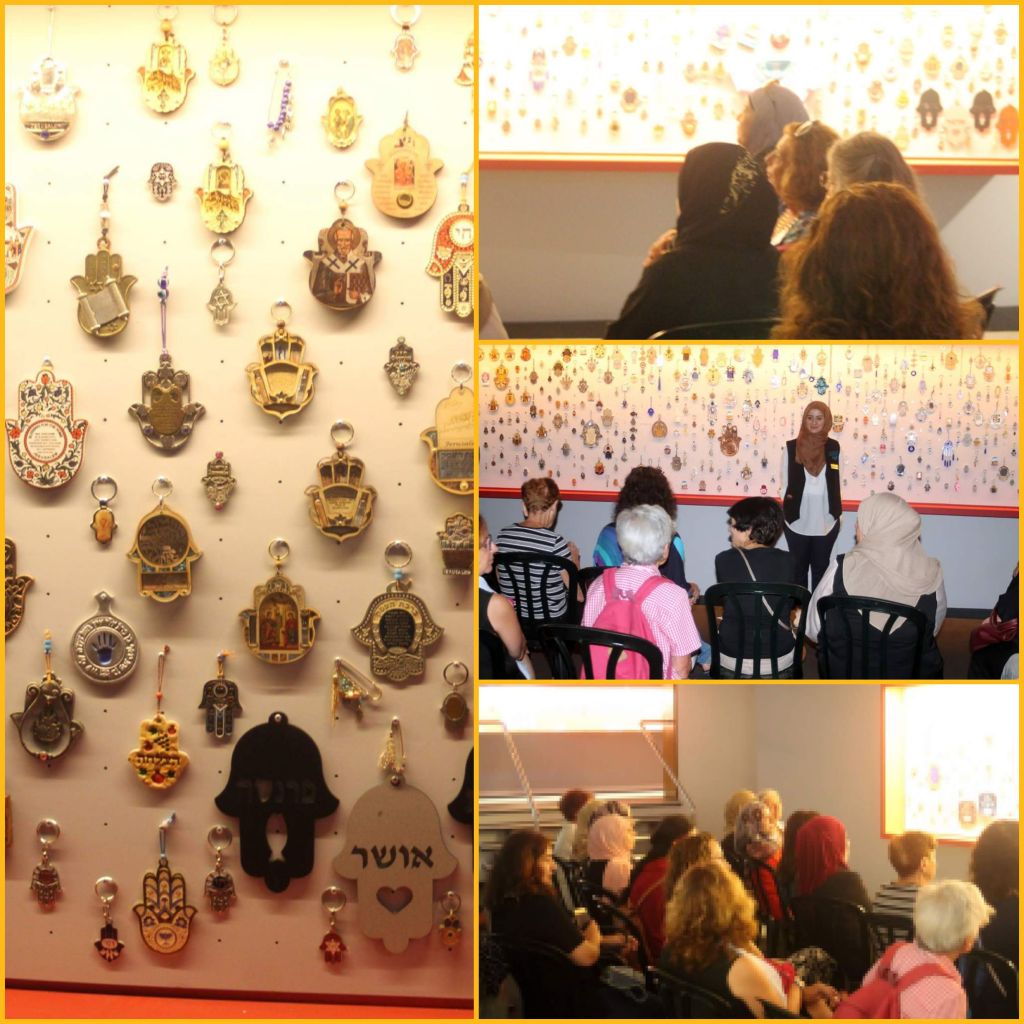
For information about our other activities see here
 The Connecting Hamza / המזת החיבור